




If you’ve looked into replacing your air conditioner or heat pump recently, you’ve probably come across the term “SEER rating”. It’s one of those HVAC industry terms that gets mentioned a lot, but isn’t always clearly explained. With updated efficiency standards taking effect in 2026, SEER ratings are becoming even more important for homeowners who want better performance and lower energy use. Understanding what these changes mean can help you make smarter decisions about your home’s comfort system, so let’s dive in!
Understanding SEER Ratings in 2026
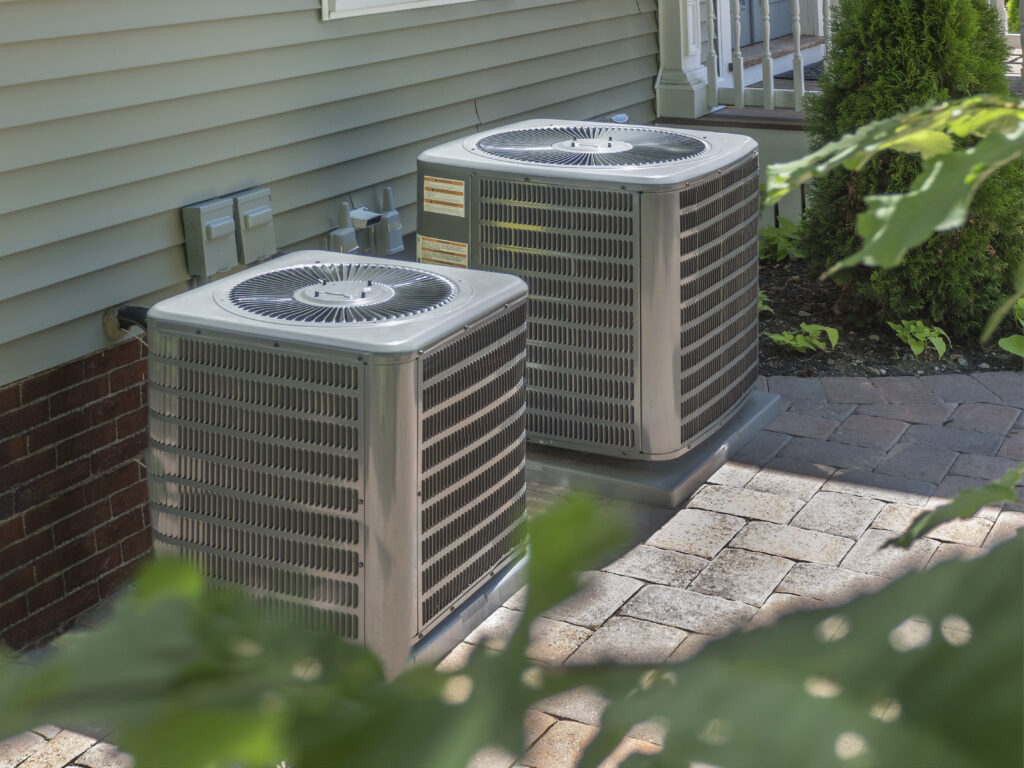
SEER ratings are used to measure how efficiently an air conditioning or heat pump system operates over an entire cooling season. The higher the rating, the more efficiently the system converts electricity into cooling for your home.
Updated efficiency standards for 2026 are raising the baseline for what qualifies as an acceptable system. Newer equipment must meet stricter guidelines to reduce energy consumption and improve overall performance. For homeowners, this shift can lead to better long-term savings, but it also means you may need to pay closer attention to system ratings when planning a replacement.
What Is a SEER Rating?
SEER stands for Seasonal Energy Efficiency Ratio. In simple terms, it measures how much cooling your system provides compared to how much energy it uses. Think of it like miles per gallon for your car. A higher SEER rating means your system can deliver more cooling using less energy. For example, a unit with a SEER rating of 16 is more efficient than one with a rating of 13.
The rating is calculated by dividing the total cooling output during a typical season by the total electricity used during that same time. While the math happens behind the scenes, the takeaway is this: higher numbers mean better efficiency.
Minimum SEER Rating Changes for 2026
Efficiency standards have been gradually increasing over the years, and 2026 continues that trend. New HVAC systems must meet higher minimum SEER ratings than older units, especially in regions with heavier cooling demands.
The minimum SEER rating for your home in 2026 depends on your location:
- Northern states: 4 for split-system air conditioners, 14.3 for heat pumps.
- Southern states:3 for smaller split system air conditioners (below 45,000 BTU/h), 13.8 for larger units, and 14.3 for heat pumps.
If your current system is more than 10–15 years old, it likely falls below today’s standards. When it’s time for replacement, you won’t have the option to install lower-efficiency equipment that was once common.
Benefits of High-Efficiency HVAC Systems
Upgrading to a system with a higher SEER rating offers more than just energy savings. These systems are designed to deliver consistent comfort while using less power.
Here’s what homeowners often notice after upgrading:
- Lower energy bills: Efficient HVAC systems use less electricity to cool your home, which can reduce monthly utility costs.
- More consistent temperatures: Improved system performance helps maintain even cooling throughout your home.
- Quieter operation: Many high-efficiency units are built with advanced components that run more quietly.
- Better humidity control: Modern systems are better at removing excess moisture from the air, improving overall comfort.
- Long-term value: Investing in a higher SEER rating can pay off over time through reduced energy use and fewer performance issues.
These benefits make high-efficiency systems a practical choice for homeowners looking to improve both comfort and performance.
How to Choose the Right SEER Rating
It may be tempting to go with the highest SEER rating available, but the best option depends on your home, your usage, and your budget.
A few key factors to consider include:
- Home size and layout: Larger homes or multi-level spaces may benefit from higher-efficiency systems that can maintain consistent temperatures.
- Local climate: Homes in areas with warm summers, like the Berkshires, often see greater benefits from higher SEER ratings.
- Budget and long-term plans: While higher SEER systems cost more upfront, they can offer better savings over time if you plan to stay in your home.
- Existing HVAC setup: Your current ductwork and system configuration may influence which options are the best fit.
Working with a professional can help you balance these factors and choose a system that meets your needs without over- or under-investing.
Upgrade to an Energy-Efficient HVAC System
If your current system is running up your energy bills or struggling to keep up, upgrading to a newer, more efficient model with a higher SEER rating can make a big difference. LePrevost Plumbing, Heating & Cooling helps homeowners across Berkshire County find the right solutions for their homes. Whether you’re exploring replacement options or simply want to understand your system better, our team is here to guide you through the process with clear recommendations and dependable service.
Schedule HVAC service today!